


|
Working in the construction industry involves constant exposure to extreme conditions. Abrasive dust, heavy loads, repetitive movements, temperature variations, rain, and wind put work clothes to the test. Each trade presents its own specific challenges. Roofers spend their days at heights, painters are exposed to splashes, and bricklayers handle heavy and abrasive materials. In all cases, poorly chosen clothing wears out quickly, restricts movement, and compromises safety. The choice of material is therefore not simply a matter of comfort. It determines the garment's resistance to wear and tear, its longevity, and its ability to protect the worker. Women's or men's work trousers must withstand repeated friction without tearing. A work rain jacket must remain waterproof even after weeks of exposure. Softshell work trousers must combine flexibility and wind protection. Advances in textiles have led to the development of ranges that combine comfort, safety, and durability, adapted to each profession and each season. Cotton: comfort and breathability, but limited durabilityCotton remains widely used in workwear. Its breathability makes it an ideal choice for everyday t-shirts, polo shirts, and underwear. A men's work t-shirt or women's work polo shirt made of cotton provides softness and comfort in hot weather. Cotton wicks away moisture effectively, keeping you more comfortable during prolonged physical activity. However, its main drawback remains its fragility in the face of friction and repeated washing. Women's agricultural work trousers made of pure cotton tear more easily than a technical model. To extend their lifespan, manufacturers often blend cotton with other fibers. A cotton-polyester blend improves durability and limits shrinkage after washing. Thus, women's work trousers made of reinforced cotton remain comfortable while offering greater strength in the field. Polyester and blended fabrics: durability for professionalsPolyester has become the go-to material for durability. Its synthetic fibers offer superior abrasion resistance, dry quickly, and retain their shape. Women's and men's work jackets made from polyester guarantee enhanced durability against harsh weather conditions and repeated handling. The cotton-polyester blend remains the ideal compromise for work trousers. Stretch work trousers or reinforced work trousers thus benefit from the comfort of cotton and the durability of polyester. This type of fabric is found in many modern garments, from women's work overalls and men's coveralls to softshell jackets. The construction industry also demands good moisture management. Polyester dries quickly, which is an advantage for professional rainwear such as work rain suits, work parkas, and work rain jackets. On an outdoor worksite, staying dry helps maintain concentration and reduces the risk of cold-related illnesses. |
|
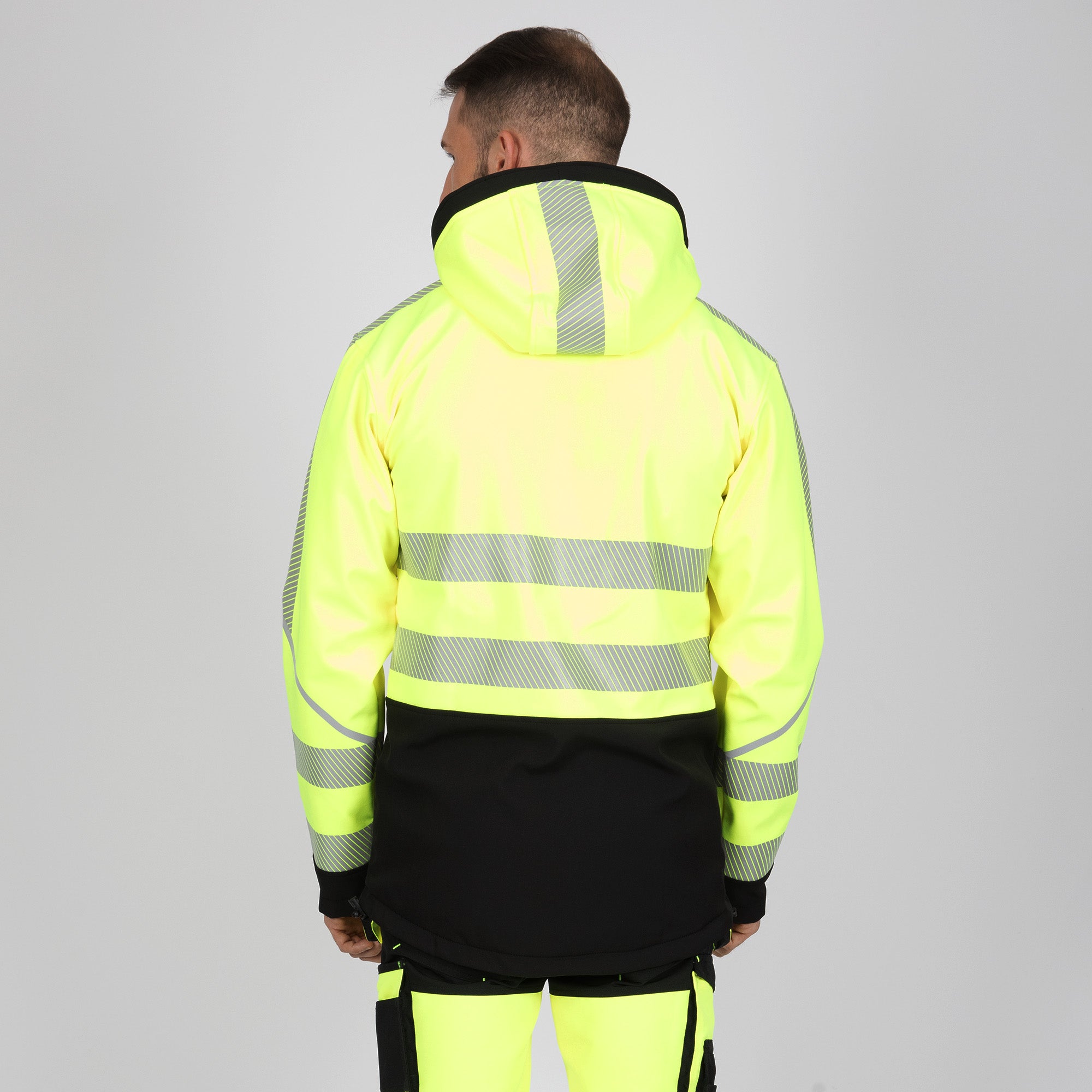 |
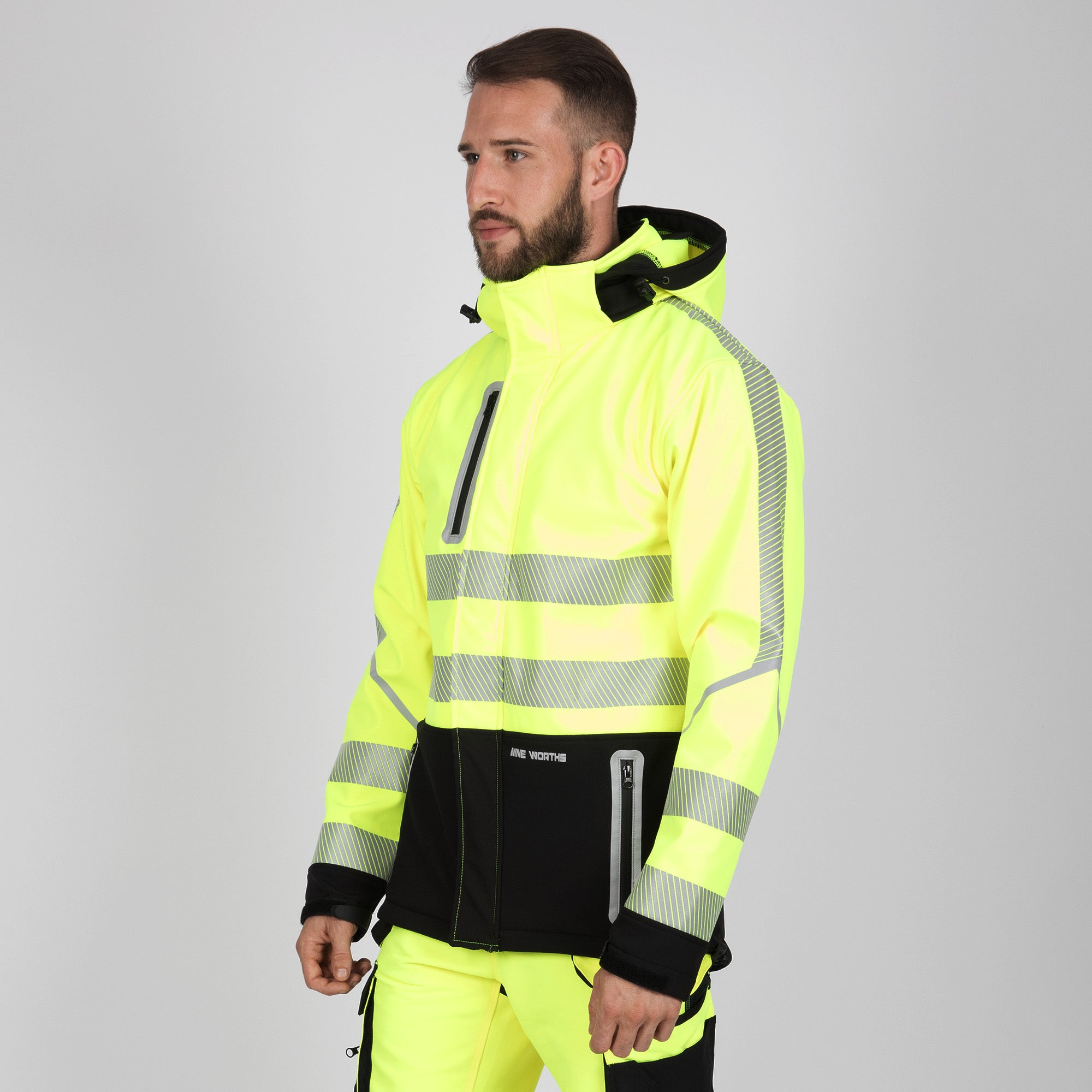
The softshell: technical protection and mobilitySoftshell fabric exemplifies the evolution of modern textiles in the construction industry. This material combines several layers: a waterproof and windproof membrane, a durable outer surface, and a breathable inner lining. A softshell work jacket or men's softshell trousers thus offer complete protection against wind and rain, while maintaining excellent freedom of movement. Professionals appreciate this type of clothing for its balance between comfort and performance. A women's softshell jacket provides protection from the elements without hindering movement. Softshell work trousers adapt to complex postures thanks to their elasticity. In demanding environments, softshell fabrics extend the lifespan of clothing and improve daily working conditions. Specialized materials for demanding environmentsCertain environments require specific textiles. In agriculture, milking aprons and farm overalls are made from waterproof, easy-to-clean materials. For safety-related professions, high-visibility jackets and trousers use fluorescent and retroreflective fabrics that withstand washing without losing their effectiveness. The painter , for his part, opts for men's painter's trousers or blue overalls made from easily washable fabrics. The plumber prefers trousers with reinforced knees to withstand the hours spent on the ground. Each fiber, each textile technology, serves a specific purpose. Workwear is thus adapted to the tradesperson's environment, their activity, and the climatic conditions. |
