


|
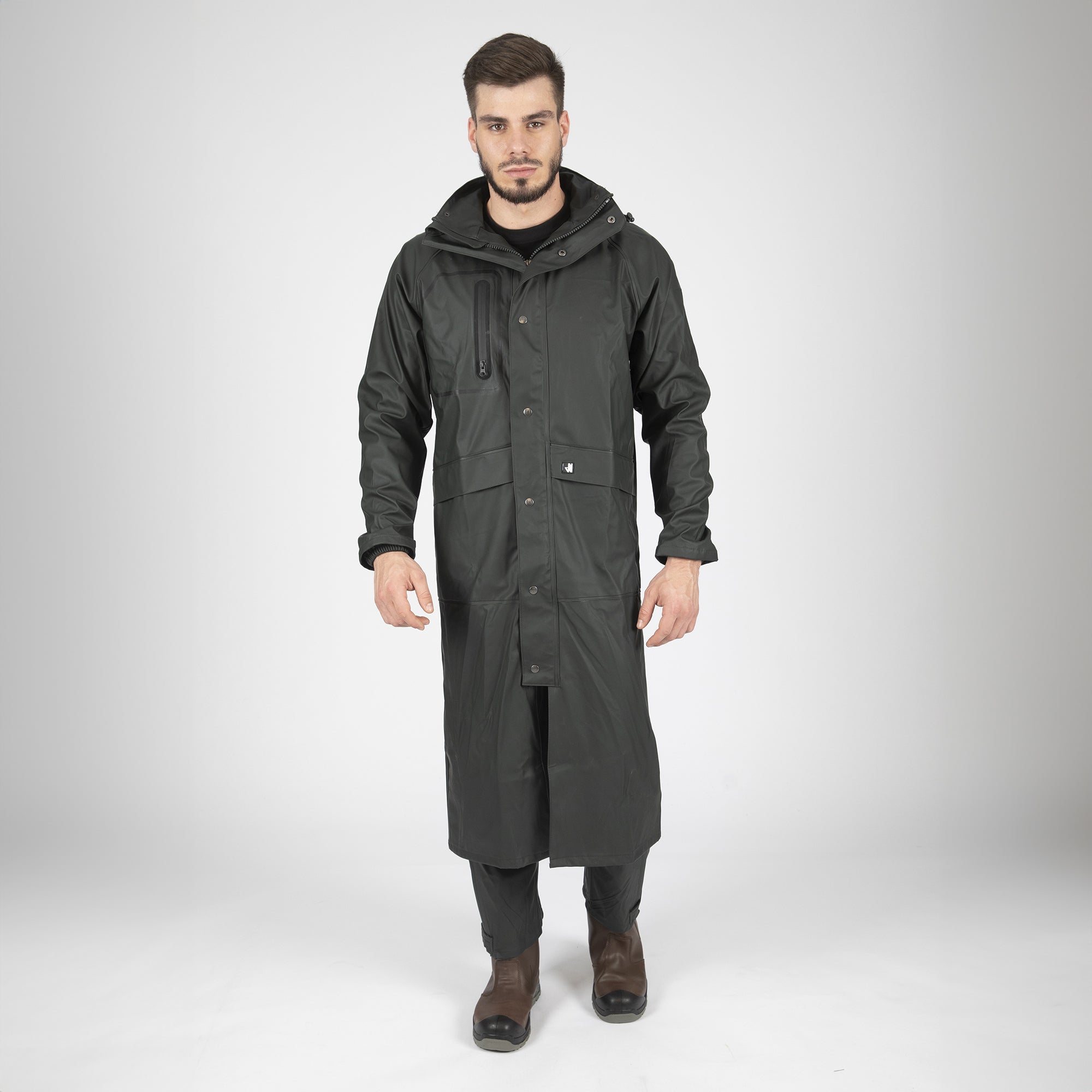
On a construction site , work clothes play a crucial role. They don't just serve to cover the body or comply with regulations; they directly influence safety, the quality of the work performed, and the well-being of the wearer. Work trousers that are too stiff restrict movement and cause unnecessary fatigue. A heavy, poorly designed jacket slows down every movement and hinders efficiency. Inappropriate footwear leads to pain, imbalance, or slips. Conversely, carefully chosen workwear becomes a real asset. It protects against impacts, adapts to weather conditions, and allows for unrestricted movement. The construction industry demands a high degree of versatility. Bricklayers, carpenters, painters, and electricians work in different environments, yet they all share a common reality: long days, repetitive postures, and sometimes harsh conditions. Workwear must meet these diverse needs. It must comply with standards to guarantee safety, be durable enough to withstand dust and abrasive materials, and also comfortable to reduce fatigue and maintain concentration. Today, manufacturers offer increasingly specialized ranges. You can find work trousers with reinforced knees, breathable softshell work jackets , low-cut or high-cut safety shoes adapted to different terrains, and even professional rainwear that keeps the worker dry. This evolution reflects a growing awareness: workwear is not a detail, but an essential component of daily performance. 1. Safety as a priorityA construction site exposes workers to numerous risks: falling objects, slips, flying debris, and harsh weather conditions. Safety standards define precise criteria that each garment must meet. Safety shoes protect feet against impacts and punctures. Reinforced trousers reduce wear and tear from friction. High-visibility jackets signal the worker's presence in an environment with machinery and trucks. Adherence to these standards is not merely a legal obligation. It provides genuine peace of mind in everyday life. In the event of an accident, certified clothing can make all the difference and prevent serious injuries. 2. Comfort and durability: choosing the right materialsA construction professional sometimes spends ten hours a day in the same outfit. Comfort then becomes essential . Breathable materials prevent overheating in summer, while insulating fabrics protect against the cold in winter. Cotton blends combine softness and durability, while stretch fabrics offer greater flexibility. Well-designed work trousers allow you to squat or climb a ladder without restriction. A lightweight yet protective softshell jacket moves with you without being restrictive. This comfort reduces fatigue and helps maintain optimal concentration. A worker who feels good in their clothes is more efficient and works in better conditions. 3. Freedom of movement and ergonomicsEvery movement on a construction site requires fluidity. Trousers with pre-shaped knees or an elasticated panel make awkward positions easier. An ergonomically designed jacket allows for lifting loads without restriction. Functional and well-placed pockets prevent wasting time searching for tools. Freedom of movement is far from trivial. It directly influences not only the speed of execution but also safety. Less hampered by their equipment, workers can remain attentive to their surroundings and minimize poor posture. |
|
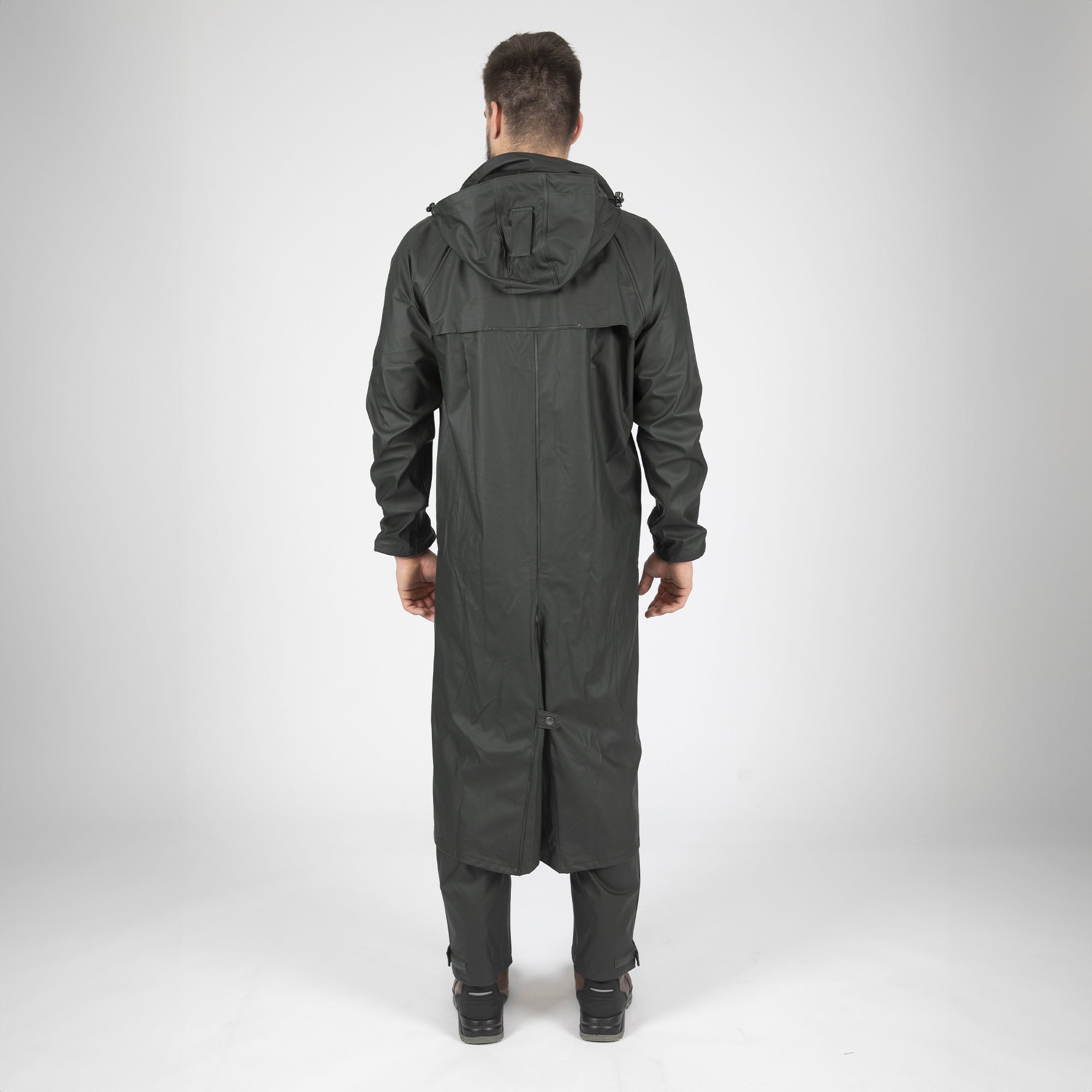 |
4. Adapt your clothing to the seasons and your professionClothing choices also depend on the weather and the job. In the middle of summer, lightweight work shorts can be suitable, provided regulations allow it. In the rain, a waterproof coverall keeps you dry without restricting your movement. In winter, thermal underwear combined with a parka provides warmth and comfort. Each profession has its own specific requirements. Painters prefer easy-to-clean fabrics. Plumbers need knee reinforcements. Electricians choose clothing made from non-conductive materials. The ideal work outfit, therefore, emerges from a balance between protection, practicality, and adaptability to the realities of the job. Combining comfort, safety, and freedom of movement is a daily challenge for construction professionals. Modern workwear provides a solution through technical fabrics, ergonomic cuts, and strict adherence to standards. Durable trousers, a jacket suited to the seasons, or a pair of quality safety shoes are not simply purchases, but true investments in performance and health at work. |
