


|
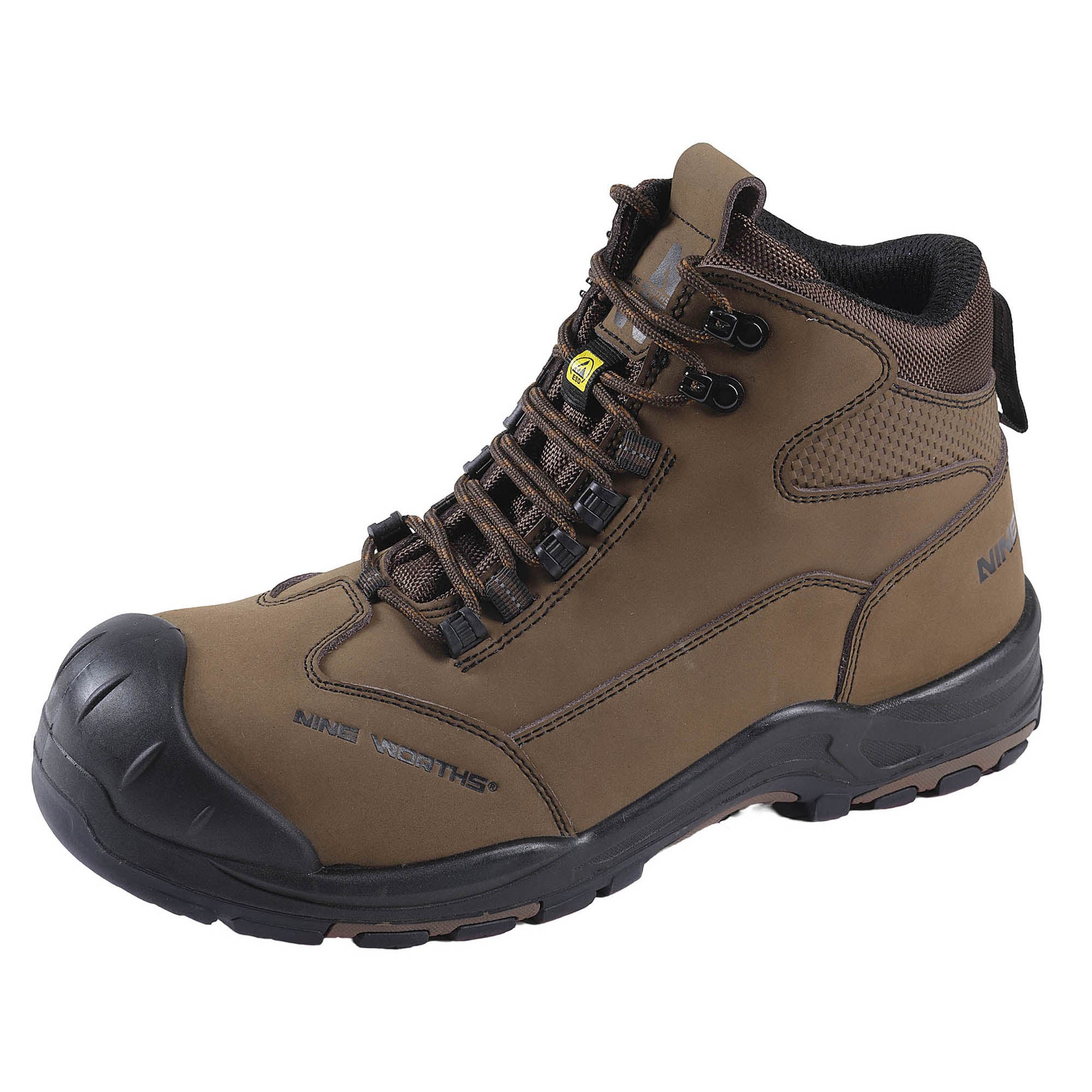
The construction industry presents very different realities depending on the specialization. Electricians handle cables and often work in confined spaces. Plumbers spend much of their day kneeling or in uncomfortable positions. Drywall installers , on the other hand, lift and fix heavy panels to ceilings or walls. In each of these cases, the choice of clothing directly influences safety, freedom of movement, and garment durability. Wearing unsuitable trousers or an overly stiff jacket not only hinders the performance of tasks, but also increases fatigue, the risk of injury, and the quality of work. This is why modern workwear offers specific ranges: stretch work trousers, rain jackets, reinforced overalls, and low-cut safety shoes adapted to each trade. The electrician: priority to safety and mobilityThe electrician's profession demands constant vigilance regarding electrical hazards. Clothing must avoid all conductive materials. The preferred fabrics are primarily cotton, sometimes reinforced with polyester for added durability. Work trousers with integrated knee pads facilitate work on the ground, which is frequent when laying cables. Softshell work jackets protect against the cold without restricting the mobility needed to access electrical cabinets or climb ladders. Footwear also plays a crucial role. Low-cut safety shoes offer good protection while remaining lightweight. In some environments, slip-on safety shoes offer greater practicality. Electricians need equipment that combines standardized protection with freedom of movement to work efficiently in often confined spaces. It is also essential to choose antistatic soles, which reduce the risks associated with electrical discharges and enhance safety on the job site. |
 |
 |
The plumber: strength and comfort for awkward posturesPlumbers often work in uncomfortable positions, sometimes in damp conditions. Stretch work trousers or reinforced construction trousers are essential. The knees are subjected to significant pressure, hence the advantage of models with integrated reinforcements. For added comfort and support, our trousers feature a raised back , designed to guarantee optimal protection even when squatting or bending. Men's blue work overalls or women's work overalls protect the entire body and prevent repeated chafing during prolonged work on the ground. Humidity presents another challenge. Professional rainwear , such as a work rain suit or a work rain jacket, provides effective protection on outdoor worksites. The versatility of a work parka proves invaluable in winter, while men's work bermuda shorts or women's work shorts are suitable for the summer months when the heat becomes unbearable. In all cases, the fabric's durability and ergonomic cut determine the quality of the garment for the plumber's daily work. The drywall installer: freedom of movement and targeted reinforcementsDrywall installers handle heavy and bulky sheets of drywall. Their clothing must therefore combine durability and comfort . Cargo work pants or men's softshell pants allow them to keep necessary tools in convenient pockets without hindering movement. Reinforced knees and seams extend the garment's lifespan against repeated friction from the sheets. Freedom of movement remains essential for raising arms and holding drywall panels to the ceiling. A women's softshell work jacket or a sleeveless work vest frees the shoulders and offers greater ease of movement. Safety shoes must combine stability and comfort, as drywall installers spend long hours on their feet. High-top models provide optimal ankle support, while lighter, low-cut versions are suitable for indoor work sites. Clothing designed for every season and every specialtyBeyond the specific job, the climate also influences clothing choices. Electricians, plumbers, and drywall installers don't always work indoors. In the rain, a work rain suit or a professional rain jacket is essential. In the summer, comfort is achieved with a men's work t-shirt or a women's work polo shirt, paired with lightweight trousers or suitable shorts. Winter calls for thermal underwear, work sweaters, and durable parkas that can block wind and moisture. Each garment must therefore meet a dual requirement: protecting the craftsman from external conditions and supporting his technical skills. Current collections offer a variety of solutions capable of adapting to the seasons as well as the specific constraints of each building trade. |
