


|
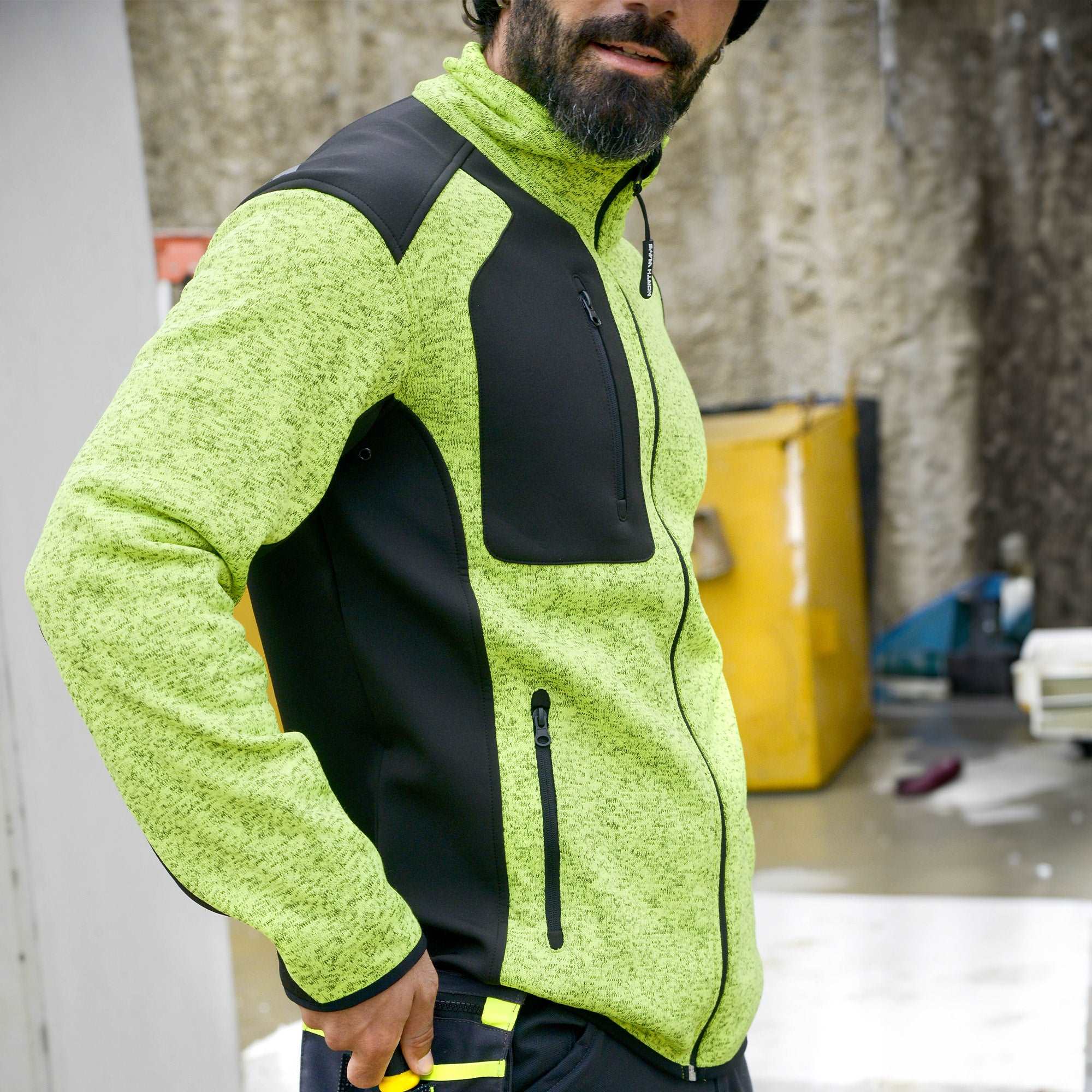
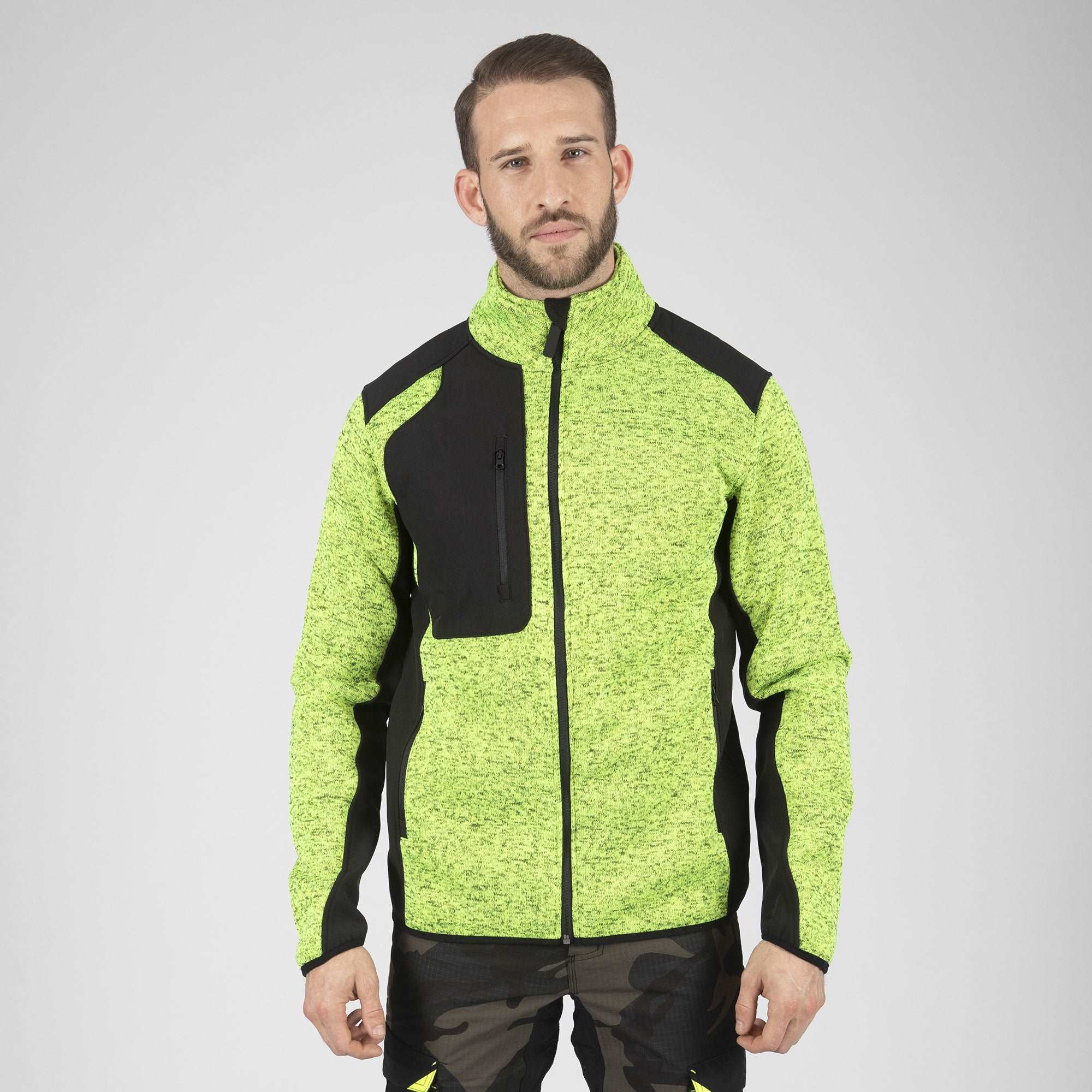
The construction site is an environment where risks are ever-present . Falling objects, projectiles, slips, and harsh weather conditions mean that every professional must protect themselves to work efficiently and safely. Regulations mandate the wearing of personal protective equipment (PPE) appropriate for the activity. These requirements primarily concern trousers, jackets, and footwear. Yet, many tradespeople still have questions about the required attire and the differences between recommended and mandatory clothing. Choosing the right equipment is not a mere formality. It determines health, comfort, and the ability to perform one's job effectively. Work trousers, an essential part of work attireOn a construction site, wearing appropriate trousers is essential. Simple jeans won't protect against specific risks. Work trousers must meet precise standards. Some models include knee reinforcements, crucial for minimizing injuries when working on the ground. Work trousers with integrated knee pads provide additional joint protection. Durable fabric versions prevent tearing when in contact with abrasive materials. Depending on the season, the choice varies. In summer, stretch work trousers or men's work capris ensure better ventilation. In winter, softshell work trousers block the wind and retain heat. For women in the construction industry, specific models exist: women's work trousers, women's agricultural work trousers, or even women's work overalls. In all cases, trousers remain essential to reduce the risk of cuts and effectively protect the legs. The work jacket: between visibility and protectionThe jacket doesn't just provide thermal comfort; it's essential protective equipment . A high-visibility work jacket allows the worker to be seen by construction equipment and reduces the risk of accidents. Safety jackets meet European standards and are mandatory in environments where visual signaling is crucial. Weather protection is also essential. Work rain jackets and professional parkas offer effective protection against rain and wind. A men's work jacket or a women's softshell jacket combines comfort, durability, and freedom of movement. In some cases, a fire-resistant safety jacket is mandatory, particularly for professionals exposed to this type of hazard. Each job and each worksite requires a suitable jacket, but the obligation remains the same: to cover the upper body with a standardized garment, capable of protecting and ensuring the visibility of the professional. |
|
 |
Safety shoes: non-negotiable equipmentNo construction site tolerates workers without appropriate footwear . Safety shoes protect against impacts, crushing, punctures, and slips. Their steel or composite toecaps prevent serious injuries from falling heavy objects. The choice depends on the environment. Men's high-top safety shoes provide ankle support and reduce the risk of sprains. Women's low-top safety shoes offer greater lightness for indoor environments. Waterproof models protect against moisture, while breathable versions are suitable for hot weather. Comfortable safety shoes allow you to work long hours without pain, an essential condition for efficiency. Regulations require the wearing of certified footwear. These must meet current safety standards and be replaced at the first signs of wear: smooth sole, weakened toecap or insufficient support. Additional equipment depending on the construction siteWhile trousers, a jacket, and boots form the essential basics, other clothing items complete the outfit depending on the conditions. Professional rainwear , such as a work rain suit, becomes indispensable outdoors in unpredictable weather. Sleeveless work vests add practical pockets without restricting movement. Professional work gloves protect against cuts, while hard hats remain mandatory in most environments. The choice of complete protective clothing must therefore be based on an assessment of the actual risks. The objective is not only to comply with the law, but also to guarantee the safety and comfort of each tradesperson. On a construction site, regulations clearly mandate the wearing of work trousers , a suitable jacket, and safety shoes. These three items form the essential basics for protecting the body against everyday hazards. Reinforced trousers, high-visibility jackets, and certified shoes are not mere accessories. They represent indispensable personal protective equipment (PPE) for reducing accidents and safeguarding the health of workers. Depending on the conditions, additional items such as a waterproof coverall, a vest, or gloves further enhance this safety. Working on a construction site without this equipment is tantamount to unnecessarily exposing oneself to serious risks. A complete, well-chosen, and well-maintained work outfit is therefore the primary guarantee of protection and efficiency at work. |
