


Safety shoes are essential equipment for every construction professional. They protect feet against impacts, crushing, punctures, and slips. Yet, despite their robustness, they don't last forever. Wear on the sole, deformation of the upper, or loss of comfort sometimes appear sooner than expected. Many tradespeople then wonder if owning two pairs and alternating them can truly extend their lifespan and improve daily comfort. Behind this question lies a simple truth: alternating between two models can transform the work experience and enhance safety .
Accelerated wear of a single pair
Wearing just one pair every day leads to accelerated wear and tear. Moisture from perspiration accumulates in the materials, weakening the seams and compromising comfort. The internal foam, constantly compressed, loses its cushioning capacity. Safety shoes that are comfortable when purchased can quickly become a source of fatigue and foot pain after a few months of intensive use.
Furthermore, incomplete drying after a wet day promotes the development of odors and reduces the lifespan of the shoe. A professional who works with only one pair doesn't allow the materials enough time to regain their original shape. Wear and tear is then concentrated on a single sole and upper, resulting in a more frequent replacement than anticipated.
 |
 |
The advantages of a well-considered work-study program
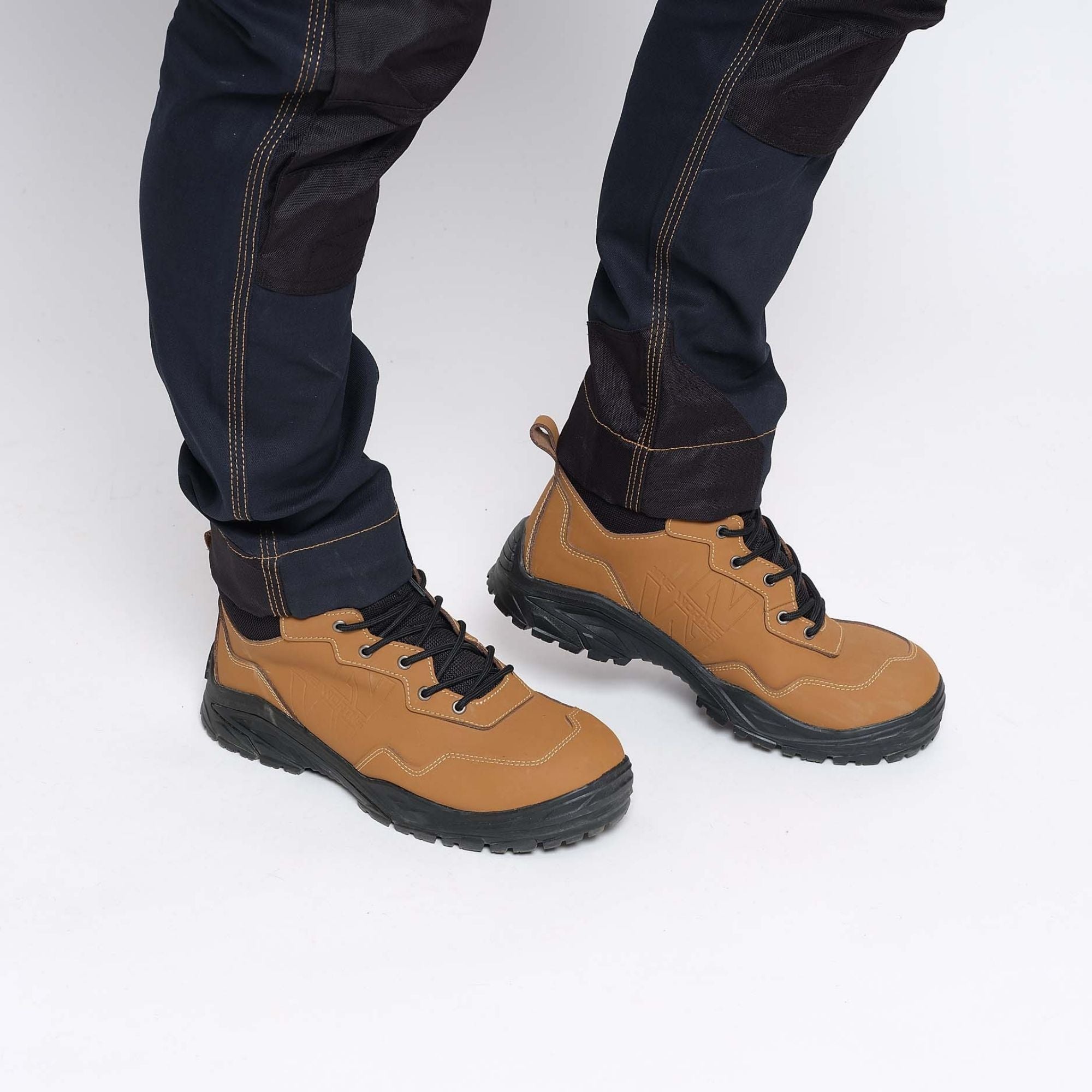
Alternating between two pairs of shoes offers several tangible benefits. For example, a pair of high-top safety shoes worn one day can then dry and rest, while a pair of low-top safety shoes takes over the next day. This alternation reduces moisture buildup and improves hygiene. The internal materials regain their elasticity, which extends their lifespan and maintains their original comfort.
For the craftsman, this practice guarantees more consistent comfort over the weeks and reduces the risk of injuries related to muscle fatigue.
Adapt the alternation between two pairs of shoes to the actual working conditions
The choice of two pairs of shoes should correspond to the environments encountered. A professional who frequently works outdoors in wet weather will prefer waterproof safety shoes for rainy days and a more breathable version for dry periods. In some cases, high-top safety shoes provide better support on uneven terrain, while low-cut safety shoes are essential in indoor environments where lightness is a key advantage.
In summer, a lighter model will relieve foot fatigue. In winter, a more insulating pair retains heat and protects against the cold. This adaptive approach not only enhances safety but also improves worker well-being. Alternating between different types of footwear then becomes a way to optimize each day based on the weather and the type of worksite.
Improved hygiene and increased efficiency
Beyond durability, owning two pairs also contributes to better hygiene. Shoes that rest all day dry properly and prevent unpleasant odors. This keeps feet healthier, reducing the risk of irritation or fungal infections.
The professional's efficiency is thus enhanced. A worker who feels comfortable in their shoes maintains their concentration longer. They adopt a more natural posture and reduce unnecessary effort. High-top safety shoes for women or men's models adapted to the individual's foot shape then offer lasting comfort, as they are not subjected to relentless daily pressure.
Alternating between two pairs of safety shoes is far from a luxury. This practice improves durability, enhances hygiene, and ensures consistent comfort. Wearing a single pair every day wears out quickly and loses its protective qualities. Rotating two pairs maintains their performance longer and better supports workers in their tasks. Whether it's women's low-cut safety shoes , men's high-cut safety shoes , or a model specifically designed for summer heat, alternating becomes a simple and effective solution. It extends the lifespan of the equipment, ensures better safety, and provides valuable comfort in the demanding conditions of the worksite.
