


|
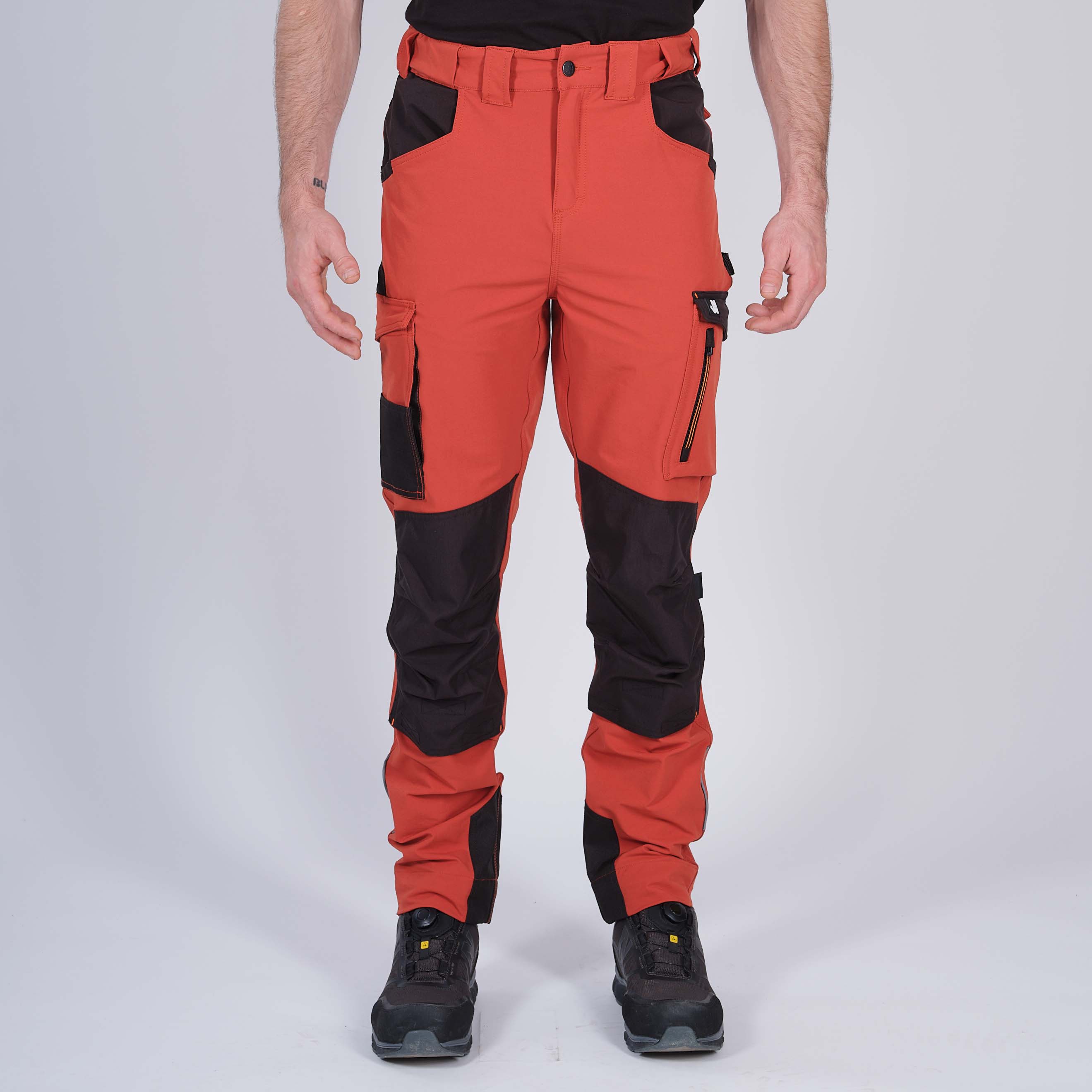
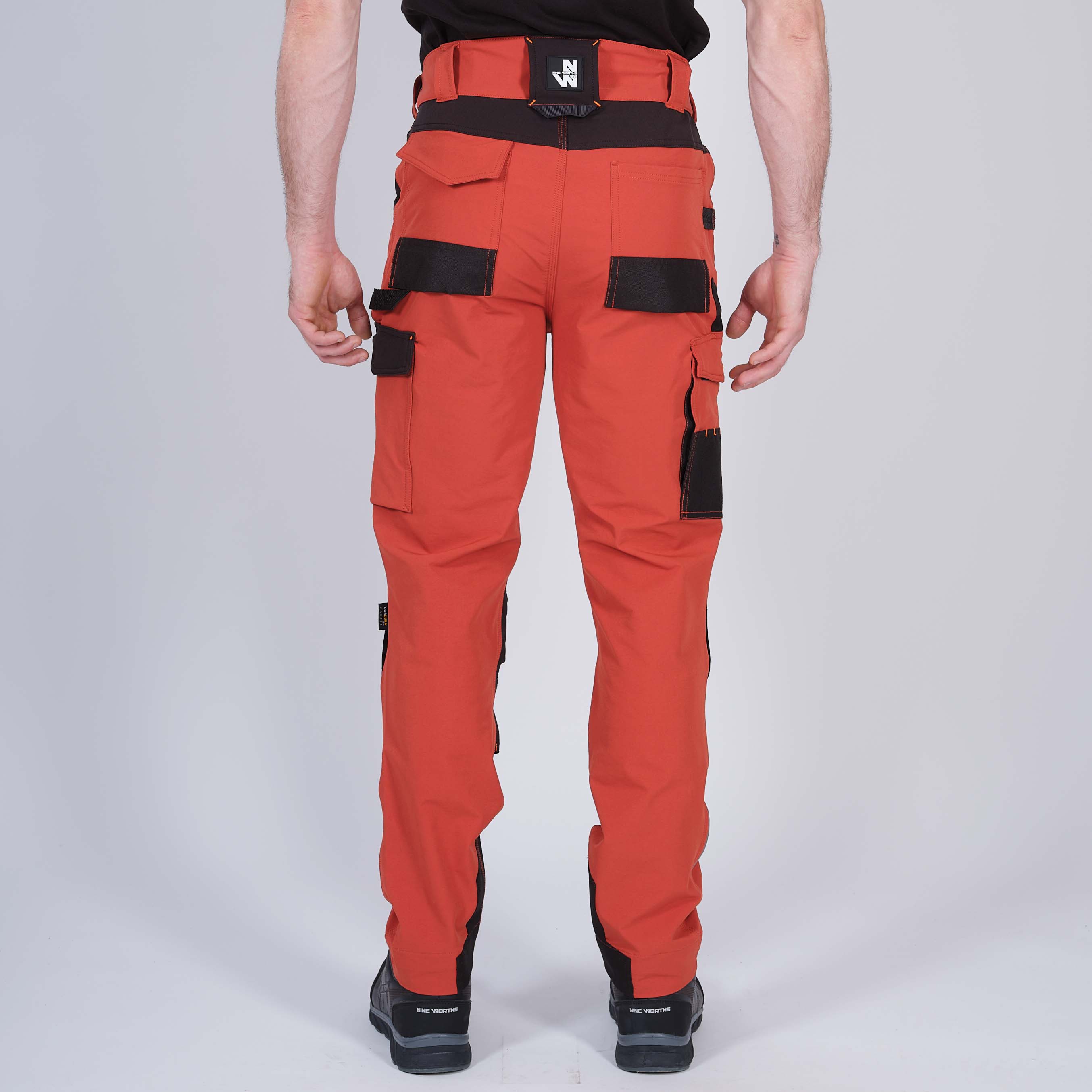
Working in construction exposes each tradesperson to very different weather conditions depending on the time of year. The cold of winter, the heat of summer, the downpours of spring, or the autumn wind all put work clothes to the test. Inappropriate clothing not only hinders movement but also reduces concentration, leads to faster fatigue, and increases the risk of accidents. Choosing the right seasonal workwear is therefore essential for maintaining safety, comfort, and efficiency on the job site. Current product lines offer a variety of solutions: softshell work trousers, professional rain jackets, men's work shorts, and women's work parkas. Each item meets a specific need and supports the demands of daily work. Winter: priority is given to warmth and protection from the windWhen temperatures drop, tradespeople primarily seek clothing that keeps them warm without restricting movement. Layering plays a crucial role here. Thermal underwear retains body heat, a winter work sweater provides additional insulation, and a work parka or men's softshell jacket protects against icy winds. Softshell work trousers are particularly noteworthy for their ability to block the wind while remaining flexible. Summer: lightweight and breathable to cope with the heatConversely, the summer months call for breathable fabrics and lighter cuts. Cotton, used in men's work T-shirts or women's work polo shirts, allows for better moisture management. Men's work shorts or women's work bermuda shorts provide greater freedom of movement while limiting overheating. |
|
 |
Rain and humidity: stay dry to maintain safety Spring and autumn often bring sudden downpours. Working in wet clothes increases the risk of illness and makes movement more difficult. Professional rainwear addresses this problem. A work rain jacket, combined with rain pants, forms an effective barrier against moisture. Work rain suits provide complete protection on the most unpredictable days. Adapting clothing to the job and actual conditionsThe season isn't the only factor. Each profession has its own specific requirements . A painter prioritizes easy-care fabrics, whether it's for men's painter's trousers or a painter's jacket. A bricklayer prefers reinforced trousers that withstand friction. An electrician looks for safe clothing free of conductive materials. A farm worker chooses a milking apron or women's overalls designed to withstand splashes and frequent washing. Choosing the right workwear for each season improves safety, reduces fatigue, and increases efficiency. In winter, warmth and wind resistance are key, so choose work parkas, softshell trousers, and thermal underwear. In summer, lightness and breathability are paramount, with work shorts, polo shirts, and low-cut shoes being ideal. During the transitional seasons, professional rainwear provides essential protection against moisture. |
